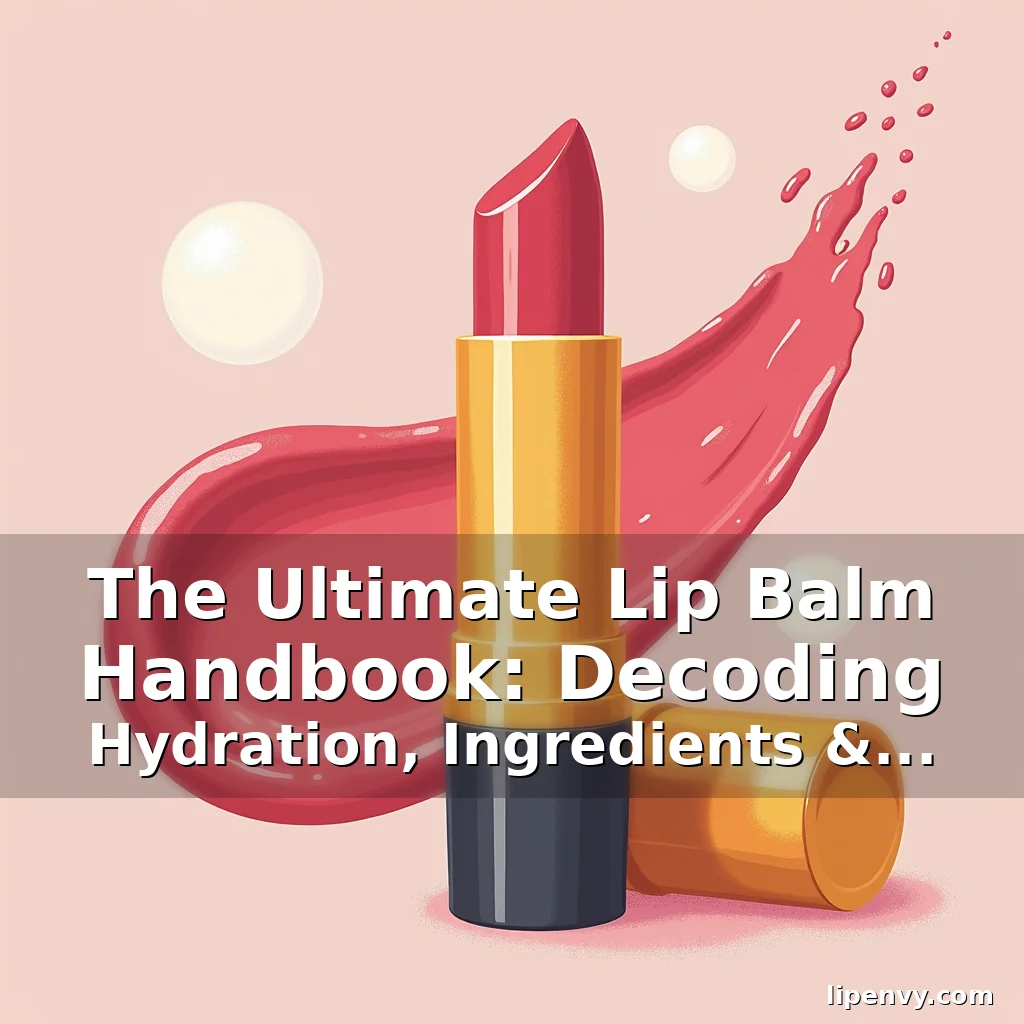
The Ultimate Lip Balm Handbook: Decoding Hydration, Ingredients & Beauty Rituals
Lip balms have transcended their basic function as mere moisturizers, evolving into essential components of daily skincare routines. From healing chapped lips to enhancing natural color, these small tubes offer a world of benefits that extend far beyond simple hydration.
In an era where beauty is both science and art, understanding what makes a great lip balm can elevate your entire grooming experience. This guide dives deep into the world of lip care products, uncovering secrets behind formulation, application techniques, and the growing trend of personalized lip treatments.
The Science Behind Lip Care: Why Moisturization Matters
Your lips are uniquely different from other skin areas. Unlike facial skin covered by oil glands, they lack melanin protection and sweat glands, making them prone to dryness and environmental damage.
This biological makeup means lips lose moisture faster than any other body part. When exposed to wind, sun, cold weather, or even excessive licking, they become vulnerable to cracking and painful fissures.
Hydration works differently on lips compared to face or hands. While typical lotions rely on occlusive agents like petroleum jelly, lip balms often use humectants such as glycerin and hyaluronic acid to attract and retain water.
Avoiding harsh ingredients is crucial when selecting a product. Fragrances, menthol, and certain synthetic additives may cause irritation rather than relief for sensitive lips.
- Humectant properties: Ingredients like shea butter and beeswax create a protective barrier while drawing moisture into the lips.
- Occlusive agents: Petroleum jelly forms a seal that prevents moisture loss but may feel heavy for some users.
- Ceramide boosters: These help repair the skin’s lipid barrier, especially beneficial after prolonged exposure to elements.
The right balance between humectants and occlusives determines how effective a lip balm will be for individual needs. Finding this equilibrium requires understanding personal sensitivity levels and climate conditions.
Differentiating Between Natural vs Synthetic Formulations
Selecting between natural and synthetic options involves evaluating ingredient sources and potential side effects. Natural formulations typically emphasize plant-based oils and extracts whereas synthetics might contain chemical preservatives and emollients.
Purely natural balms often include ingredients like coconut oil, cocoa butter, and vitamin E derived from botanical sources. These ingredients nourish lips while offering antioxidant benefits against free radical damage.
Synthetic alternatives frequently utilize mineral oil, dimethicone, and paraffin wax for smooth consistency and long-lasting wear. However, concerns persist regarding possible comedogenicity and absorption issues.
The choice ultimately depends on personal preferences, allergies, and desired outcomes. Those seeking organic solutions may prefer plant-derived formulas while others prioritize longer-lasting results through synthetic compounds.
Evaluating Ingredient Labels: What You Should Know
Analyzing product labels reveals critical information about effectiveness and safety. Terms like ‘fatty acids’ indicate moisturizing properties while ‘anti-inflammatory agents’ suggest soothing capabilities.
Be wary of marketing jargon promising miraculous results without scientific backing. Phrases like “miracle cure” or “instant plumping” usually indicate exaggerated claims rather than factual efficacy.
Look for certifications like USDA Organic or Ecocert when purchasing natural products. These seals verify adherence to strict production standards ensuring genuine botanical content.
For synthetic products, check for non-comedogenic ratings and hypoallergenic guarantees which minimize risk of breakouts or allergic reactions.
Understanding key terms helps consumers make informed decisions aligned with their health goals and lifestyle requirements.
Trending Ingredients in Modern Lip Balms
The cosmetic industry continuously innovates with new active ingredients tailored specifically for lip care. Recent trends highlight increased usage of probiotics, stem cell technology, and bioavailability enhancers.
Probiotics introduce beneficial bacteria to support skin microbiome balance, potentially reducing inflammation caused by environmental stressors. Stem cells promote regeneration of damaged tissue, accelerating healing processes.
Bioavailability enhancers ensure optimal delivery of nutrients across the thin lip epidermis. Technologies like nanoencapsulation allow deeper penetration of vitamins C and E for enhanced antioxidant action.
These advancements reflect growing consumer demand for multi-functional products that address various aspects of lip health simultaneously.
While innovation brings exciting possibilities, always assess whether advanced features align with actual needs before investing in specialized formulations.
Choosing the Right Lip Balm for Your Needs
Personalized selection hinges on several factors including climate conditions, activity level, and existing lip condition. People living in arid regions benefit most from thick, waxy formulations containing lanolin or petrolatum.
Those engaged in physical activities requiring frequent reapplication might prefer lighter versions formulated with silicones for quick absorption without leaving residue.
Individuals dealing with chronic dryness could experiment with medicated options containing salicylic acid or zinc oxide for targeted treatment.
Considering seasonal variations also matters significantly. Lighter textures work best during warmer months while heavier ones provide necessary protection during colder seasons.
Always patch test new products initially to identify potential sensitivities before incorporating them into regular routine.
The Art of Application: Techniques That Maximize Effectiveness
Correct application technique enhances both immediate comfort and lasting hydration. Begin by gently exfoliating lips using a soft toothbrush or gentle scrub to remove dead skin cells.
Apply the balm evenly onto clean, slightly damp lips for better absorption. Focus particularly on areas showing signs of dryness or peeling.
Rubbing motions instead of smearing help distribute the product uniformly across lip surfaces. This ensures consistent coverage rather than uneven patches.
Reapply regularly throughout the day, especially after meals or whenever lips feel taut. Carry travel-sized tubes for convenient touch-ups anytime.
Maintaining proper application habits contributes greatly to overall lip health over time.
Common Myths About Lip Balsm Usage Debunked
Many misconceptions surround lip balm use, leading people away from optimal practices. One popular myth suggests that applying balm at night provides greater hydration than daytime applications.
Truthfully, maintaining consistent hydration throughout the day proves equally vital since lips constantly lose moisture due to breathing and speaking activities.
Another widely believed notion claims that thicker balms automatically mean better results regardless of composition. In reality, texture alone doesn’t determine effectiveness; ingredient quality remains paramount.
Some people mistakenly think that once lips appear normal, there’s no need for continued maintenance. However, preventive care reduces likelihood of future damage and maintains healthy appearance consistently.
Dispelling these myths enables smarter choices that truly benefit long-term lip wellness.
The Role of Sun Protection in Lip Care Routines
UV radiation poses significant threats to lip health despite common oversight. Lips receive direct sunlight exposure unlike protected facial areas, increasing risk of sunburn and premature aging.
Incorporating SPF into lip balm formulations offers dual protection against UVB rays and environmental irritants. Look for broad-spectrum sunscreen with minimum SPF 15 for adequate defense.
Regular sun protection becomes crucial for individuals spending extended periods outdoors. Reapplication every two hours ensures continuous shield against harmful rays.
Even on cloudy days, UV radiation penetrates clouds reaching lips undeterred. Therefore, habitual use of sun-protective lip balms prevents cumulative damage over time.
Combining sun protection with hydrating ingredients creates a powerful defense system working synergistically for superior results.
Emerging Trends in Lip Balm Innovation
Recent developments showcase creative approaches to traditional lip care products. Brands now incorporate LED light therapy, microcurrent stimulation, and AI-driven customization in innovative ways.
LED-infused balms claim to stimulate collagen production through specific wavelengths targeting cellular rejuvenation. Microcurrent devices paired with lip balms purportedly enhance blood circulation for healthier appearance.
AI-powered platforms analyze user data to recommend personalized blends based on genetic predispositions, climate conditions, and skin type characteristics.
Though novel technologies generate excitement, verifying clinical evidence supports real-world effectiveness before adopting unproven methods.
Staying informed about emerging innovations allows consumers to embrace beneficial advancements while remaining cautious about unfounded hype.
Environmental Impact of Commercial Lip Balms
Increasing awareness prompts reconsideration of packaging materials used in commercial lip balms. Plastic tubes contribute substantially to global waste accumulation, prompting exploration of sustainable alternatives.
Biodegradable containers made from cornstarch or mushroom mycelium represent eco-friendly options gaining traction among environmentally conscious buyers.
Refillable systems reduce single-use plastic dependency by allowing reuse of glass jars or metal tubes across multiple product cycles.
Consumers increasingly seek brands committed to carbon-neutral operations and ethical sourcing practices reflecting broader societal shifts towards sustainability.
Supporting companies prioritizing green initiatives encourages industry-wide transformation toward responsible consumption patterns.
DIY Lip Balm Recipes for Custom Solutions
Homemade alternatives offer control over ingredients while avoiding mass-produced chemicals. Simple combinations of beeswax, olive oil, and essential oils yield basic yet effective formulas.
To prepare a fundamental recipe, melt equal parts beeswax and carrier oil in double boiler until fully liquefied. Add a few drops of lavender or peppermint essential oil for fragrance enhancement.
Allow mixture to cool slightly before pouring into sterilized containers. Store in airtight vessels away from heat sources to preserve freshness and potency.
Vary ratios according to preferred thickness and additives like honey for extra moisture or calendula extract for anti-inflammatory properties.
Experimentation fosters discovery of ideal compositions matching individual preferences and specific lip care needs.
Comparative Analysis: Top Lip Balm Brands Reviewed
Evaluating market leaders sheds light on diverse approaches within lip care sector. Leading contenders include Blistex, Carmex, ChapStick, and newer entrants like Laneige and The Ordinary.
Blistex emphasizes fast-acting relief with medicinal ingredients suitable for acute dryness situations. Carmex introduces cooling sensations via menthol content alongside reparative components.
ChapStick offers classic reliability with varied formulations catering to different needs ranging from everyday use to special occasion enhancements.
Laneige incorporates advanced hydrating complexes featuring ceramides and hyaluronic acid for multi-layered protection. The Ordinary focuses on minimalist skincare principles emphasizing high concentration actives.
Each brand presents distinct advantages depending upon consumer priorities related to functionality versus aesthetics.
Future Outlook: Where Will Lip Balm Technology Head?
Continuing research promises further refinements in lip care solutions. Potential breakthroughs include gene-editing therapies for repairing genetic mutations affecting keratinocytes.
Smart sensors embedded within tubes might monitor hydration levels providing alerts when reapplication becomes necessary. Nanoparticle delivery systems aim to transport nutrients precisely to target zones for maximal efficiency.
Virtual try-on tools integrated with mobile apps enable visual previews of tinted lip balms before purchase decisions. Augmented reality experiences transform online shopping into immersive interactive sessions.
As technology advances, expect more intelligent, adaptive products tailoring themselves dynamically to changing conditions and user behaviors.
Remaining open-minded about technological evolution empowers individuals to harness latest innovations while preserving core principles of good lip hygiene.
Conclusion
Lip balms serve as versatile allies in maintaining beautiful, healthy lips year-round. Their importance extends beyond aesthetic appeal encompassing medical necessities for those suffering from persistent dryness issues.
By embracing knowledge gained from this exploration, you’re equipped not only to choose appropriate products but also to appreciate nuanced differences guiding wise purchasing decisions.
Remember, consistent practice combined with mindful selection transforms ordinary lip care rituals into exceptional self-care experiences worth savoring daily.
Embrace the journey of discovering what works best for your unique needs, knowing each application represents investment in long-term oral health and confidence-enhancing radiance.